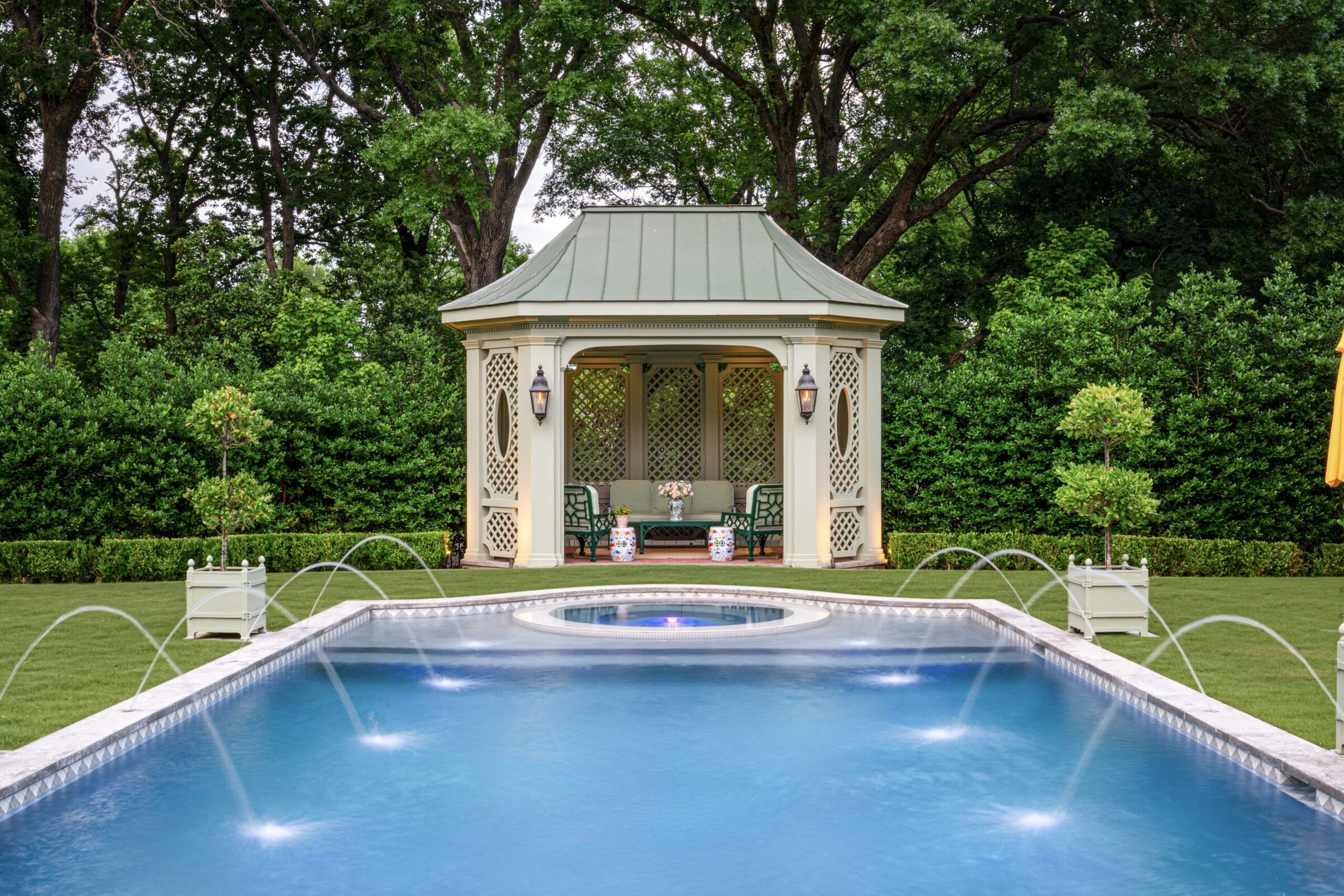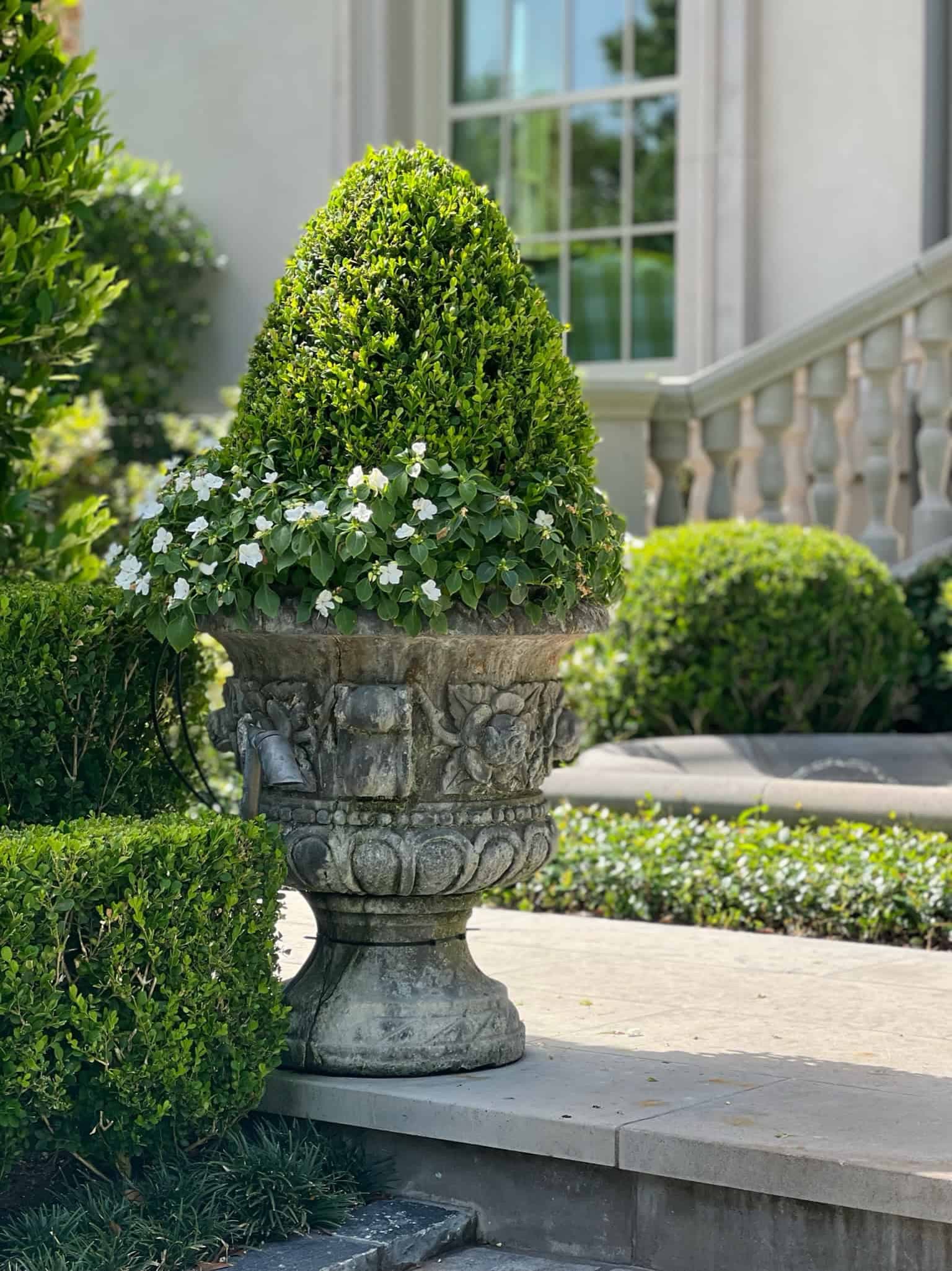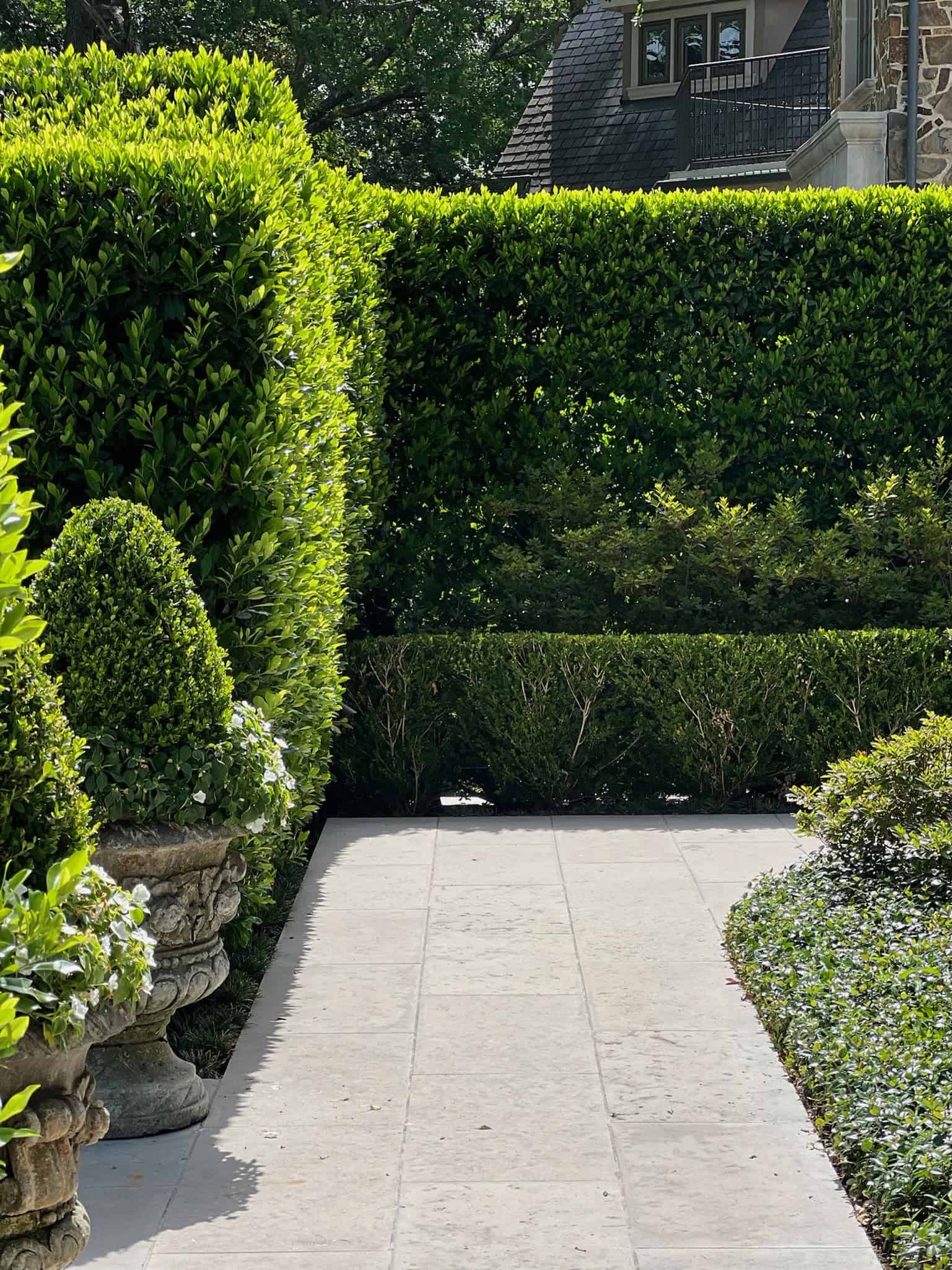
A timeless garden does not announce itself all at once. It reveals a clear underlying order, then softens that order with life: clipped forms against loose planting, sunlight moving across stone, and the slow character that only seasons can add.
In Dallas, designing for longevity requires more than an appealing plan. The garden must answer the architecture, withstand heat, use water intelligently, and still offer something deeply personal to the people who live there.
Begin with the bones
Strong gardens start with circulation and proportion. Paths should feel natural before a single plant is chosen. Terraces must relate to interior rooms. Views from the house matter as much as the experience of walking through the landscape.
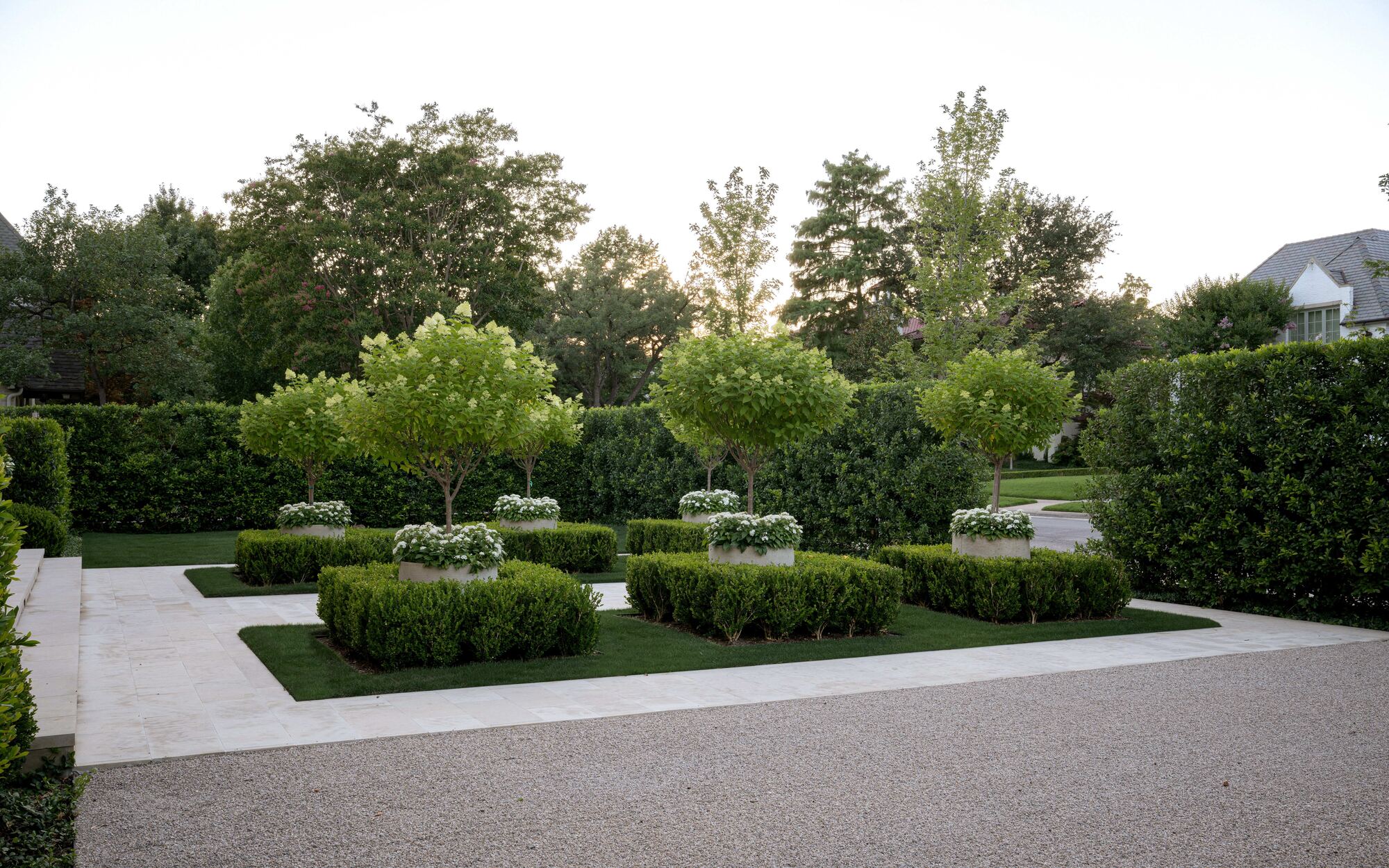
Let material create continuity
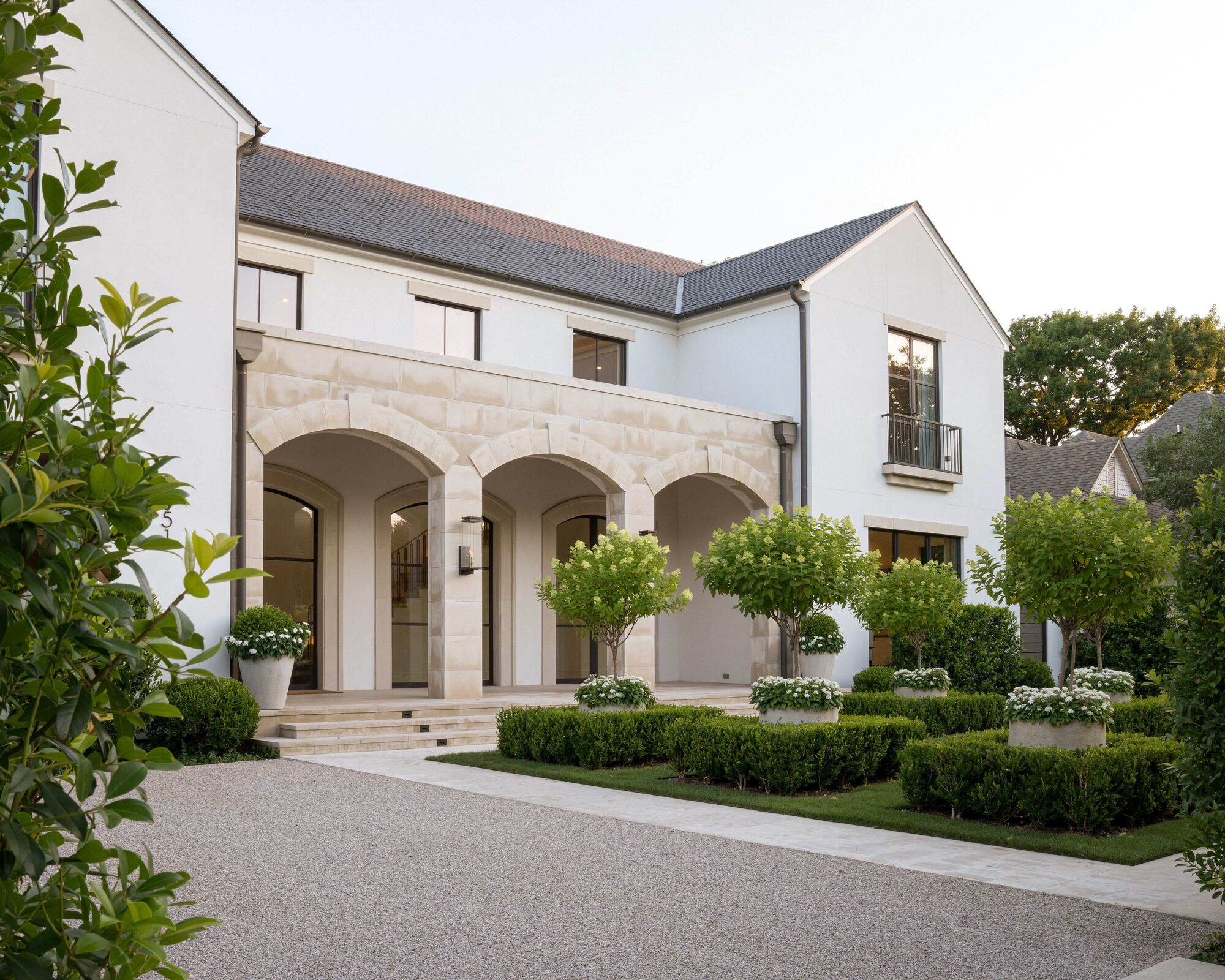
The most convincing outdoor spaces borrow their material language from the home without repeating it too literally. Stone, gravel, metal, and wood should share tone, scale, or texture with the architecture, allowing inside and outside to read as one experience.
Three questions we ask
- Will this material become more beautiful as it ages?
- Does it belong to the architecture and the wider Dallas landscape?
- Can it support the way this family will actually use the garden?
Design for maturity, not only installation day
Plants are never static materials. A thoughtful plan anticipates growth, succession, shade, and the way one season prepares the garden for the next. Restraint is important: fewer varieties, repeated with confidence, often create a more generous and lasting result.
A personal measure of timelessness
Timeless does not mean anonymous or untouched by fashion. It means the central idea is strong enough to remain relevant as life changes around it. The best test is simple: the garden feels inseparable from its home, yet unmistakably shaped for the people who live there.